



Une autre / Outra
«Some days I don’t know who I am anymore.
I don’t recognize myself. My gestures, my voice, my face seem strange to me. I no longer find meaning in my steps, I lose the notion of time and space. My identity is crumbling, I have to hide, protect myself by wearing a mask then another. To perhaps reveal myself: I become another».
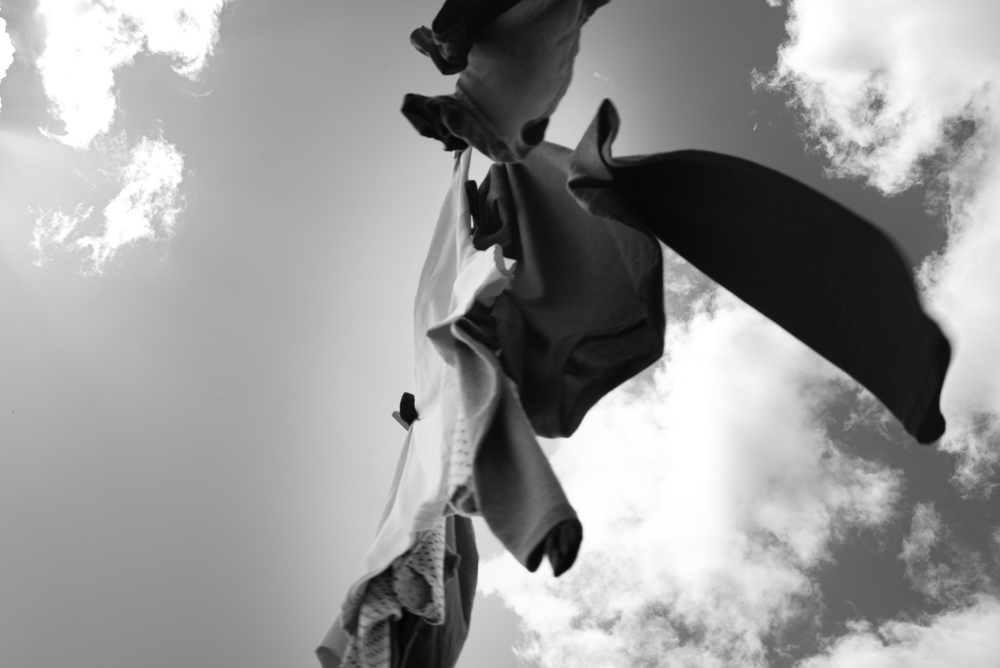
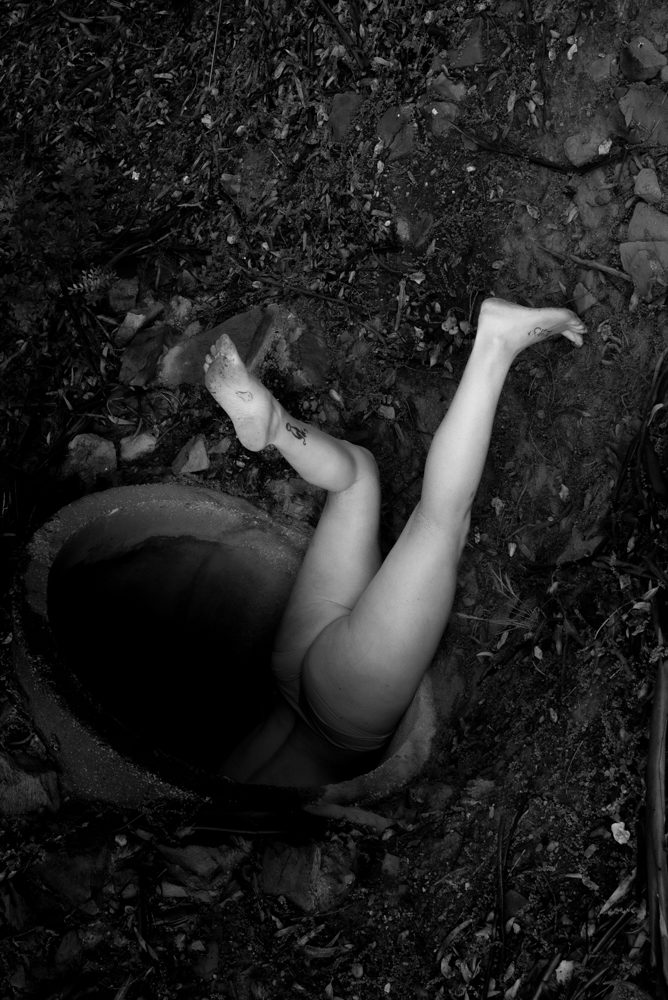
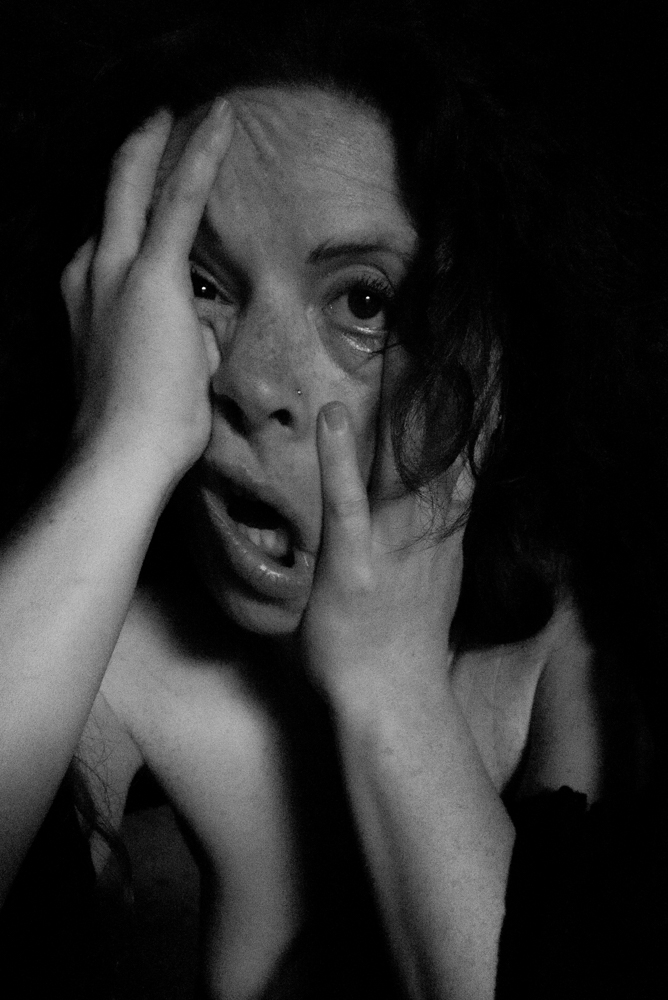
This photographic project is part of an intimate and sensory exploration of the loss of identity, as it can occur as a result of a psychological disorder, including cognitive dissonance, often developed after an abusive relationship. Through a series of deliberately fragmented, disturbing or ambiguous images, this work seeks to represent mental confusion, the feeling of strangeness towards oneself and the silent struggle to rebuild oneself.
Cognitive dissonance, in this context, manifests itself in the coexistence of contradictory thoughts: love and fear, blame and excuse the other, feeling guilty while being a victim. This mental chaos leaves invisible scars, rarely represented in the field of contemporary photography. This is a topic still taboo, often avoided because difficult to put in image without falling into the spectacular or voyeurism.
This project is therefore an attempt to make the invisible visible, to put an honest, raw and sensitive look on the psychological repercussions that relationship violence can generate. It is addressed to all those who have experienced this inner dissancration, but also to a wider audience, in order to raise awareness and break the silence around these realities often ignored.



Waoranis, a people in transition
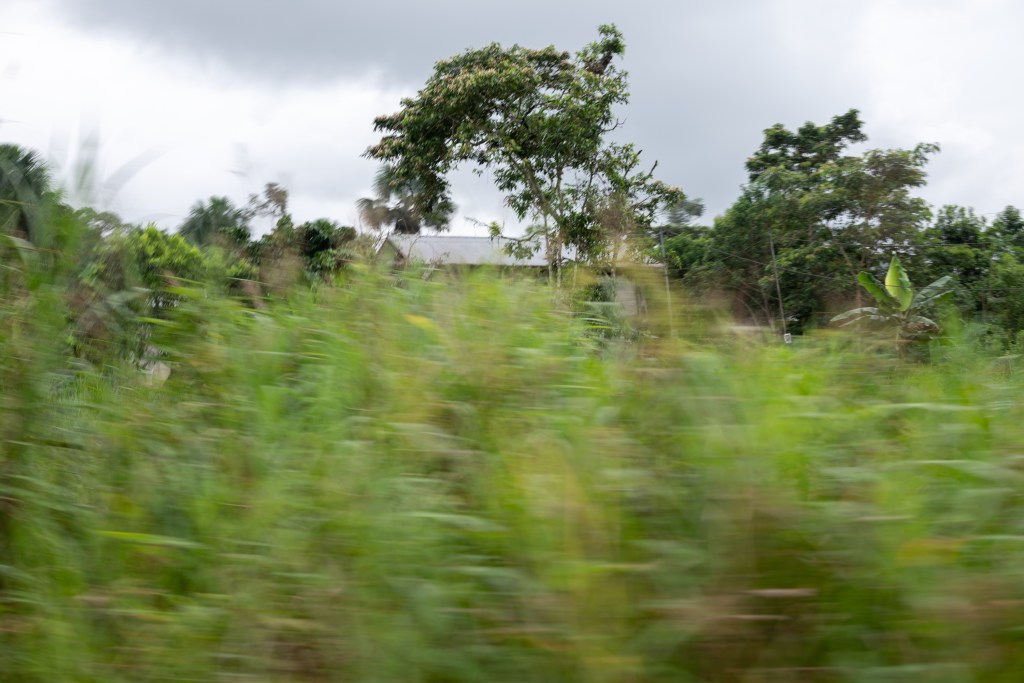
The «Huaoranis or Waoranis» are an Amerindian people living in the northwest of the Amazon, east of Ecuador. They are around 3000 people and occupy three provinces: Orellana, Pastaza and Napo. It is the last tribe contacted of all Ecuadorian indigenous peoples. Their traditional territory extended over an area of about 200,000 hectares between the right bank of the Napo River and the left of the Curaray. They maintained independence and the defense of their territory through warlike actions. From 1958, with the permanent presence of the Instituto Lingüístico de Verano (ILV), the period of contact with the outside begins, located for the first time by an American missionary group. Since then, the Waorani culture has experienced a process of acculturation with drastic changes due to the combined action of evangelizing missions and oil exploitation. They were partly resettled in sedentary villages and moved from semi-nomadic hunter-gatherer bands to communities heavily dependent on the outside for their goods and services. Today they are in an existential controversy: adapting to civilization while maintaining their lifestyle and customs. Over time, the oil companies have been joined by illegal logging and mining companies. This implies for them the pollution of their land and, consequently, the loss of their crops, the pollution of their rivers, the cutting of their forests and illegal land registration practices; a whole loss of land. In addition to the external attacks, disagreements arose between them and the communities that did not wish to be contacted, the Tagaeri and the Taromenane, which provoked wars and massacres between them in recent decades.
For their part, the Waoranis try to defend their territory, their flora and their fauna, by various actions: the creation of associations fighting against illegality and overexploitation, demonstrations against the government to leave some oil blocks underground (as for block 43 in 2023), and the creation of organizations that promote volunteerism in some of their communities to help raise awareness of the issues facing them and achieve a peaceful balance.
This project was started in February 2024 with the idea of being able to continue it and document all this movement and transition that the indigenous Waoranis are experiencing: the adaptation to civilization and the current global lifestyle and the preservation of its ancestral customs and rules.

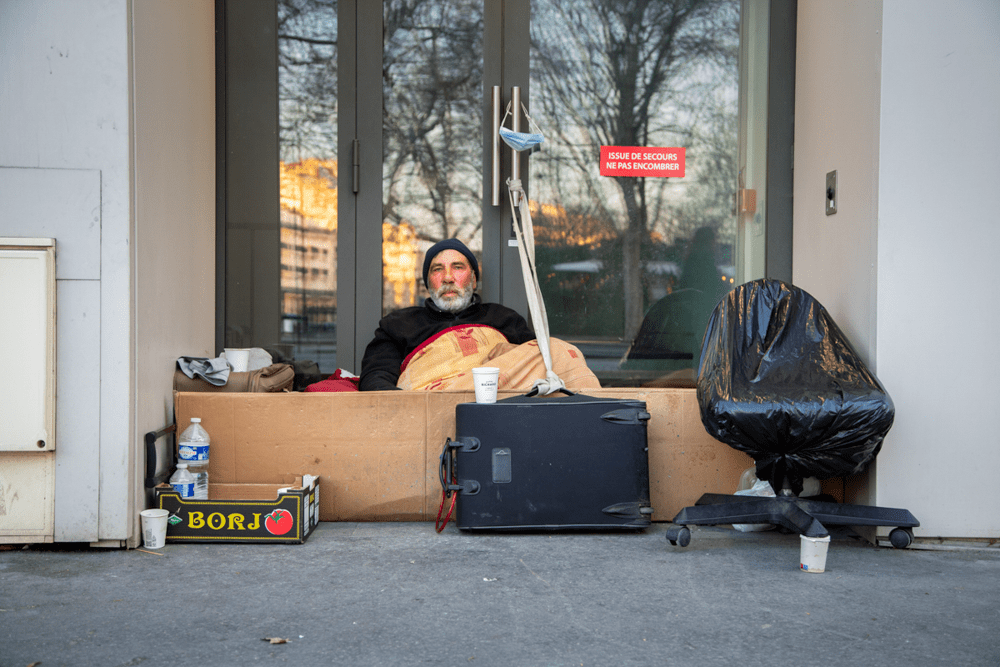
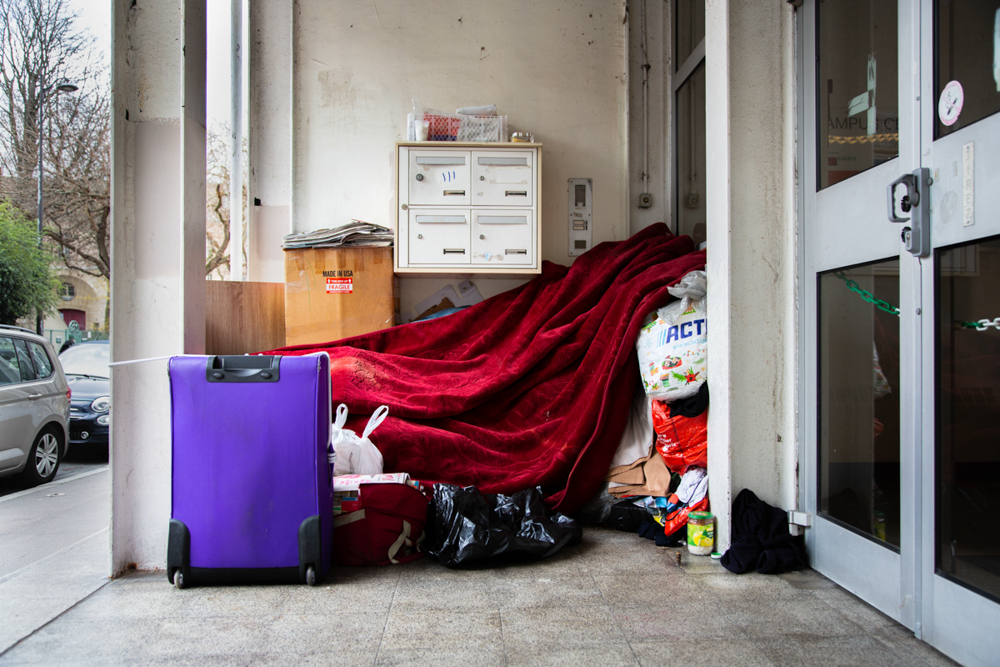

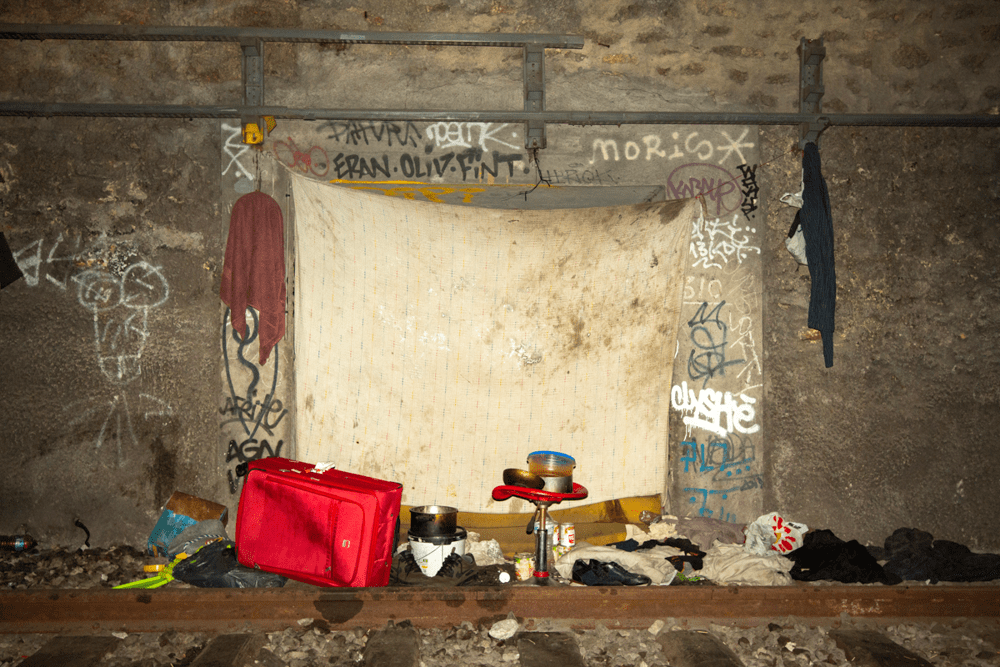
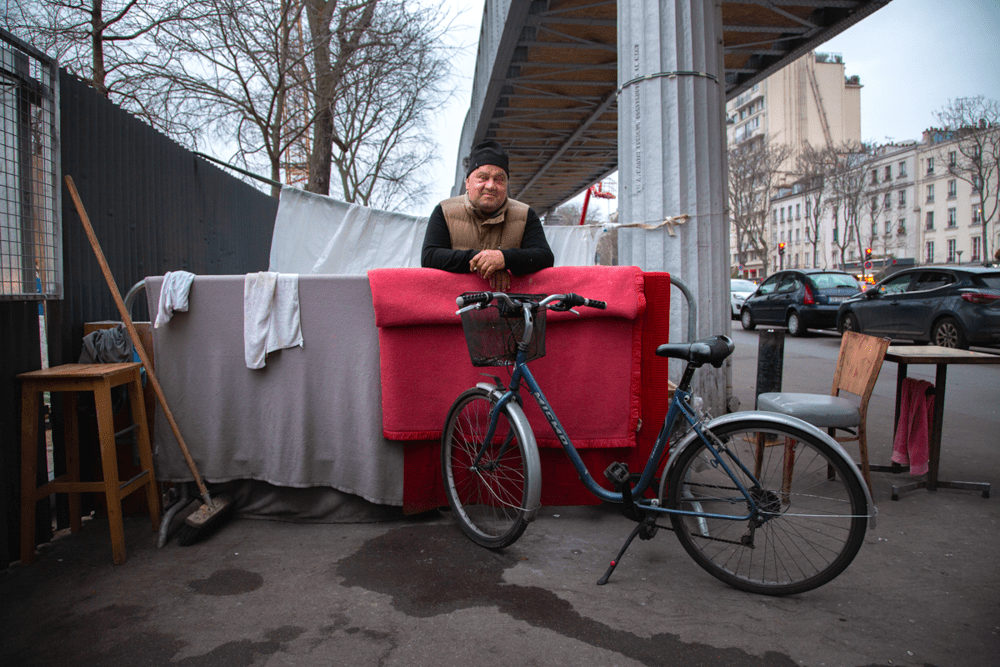
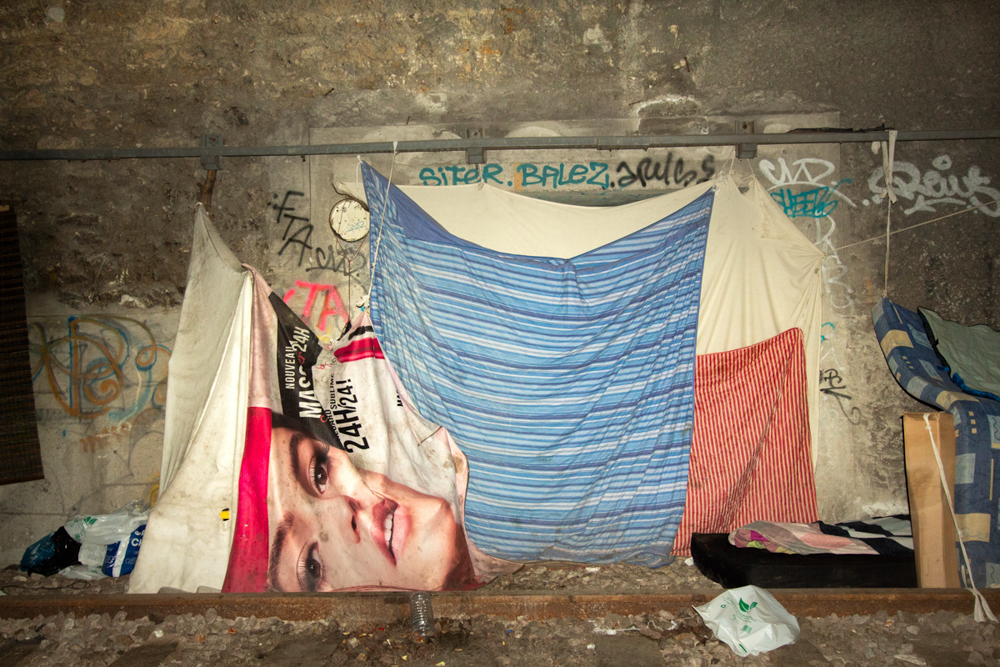


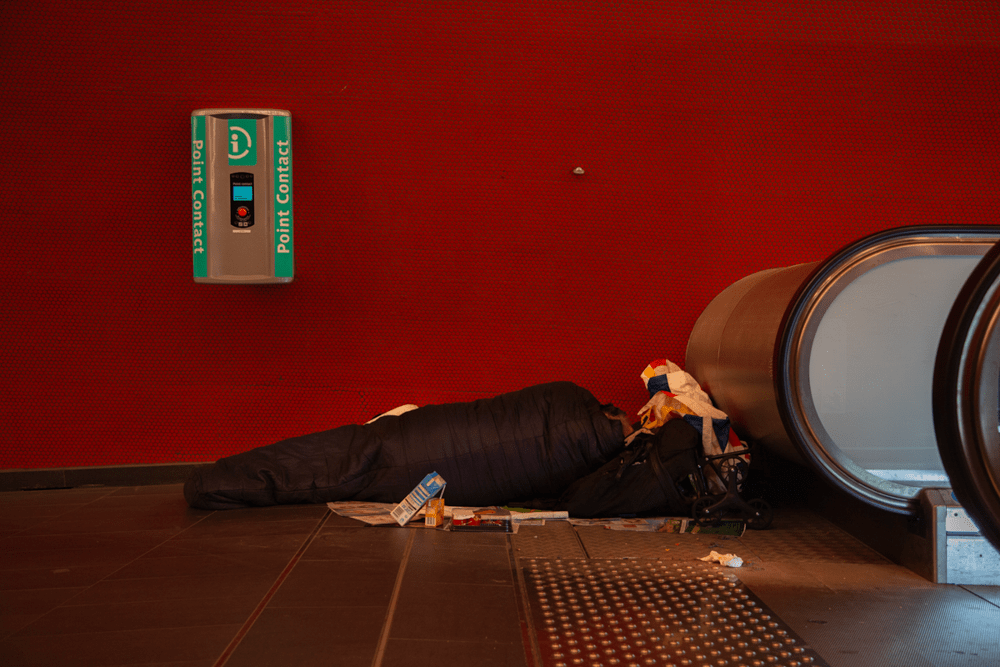

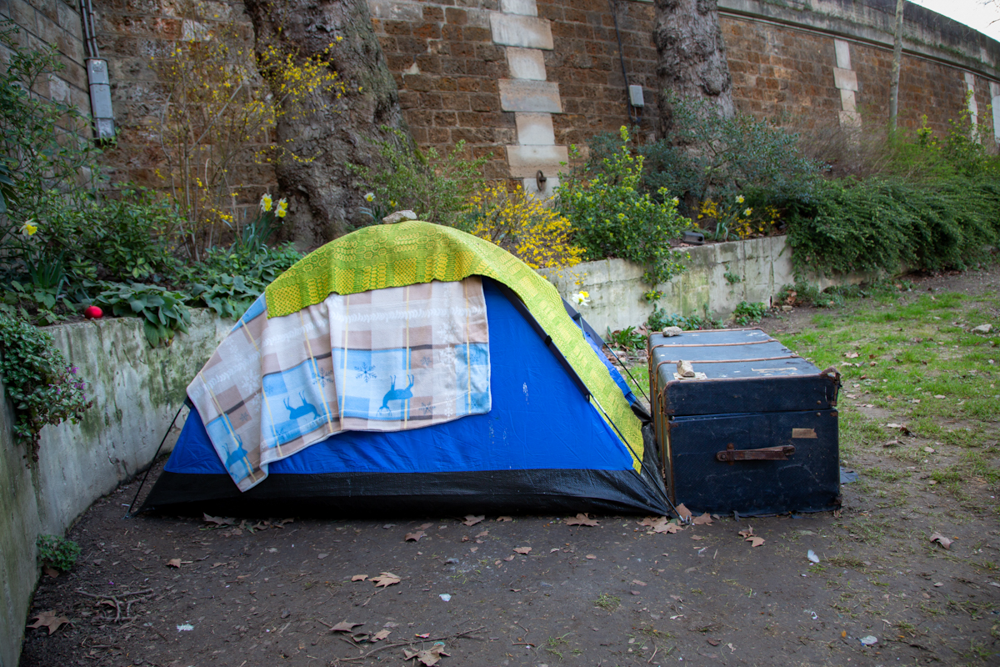
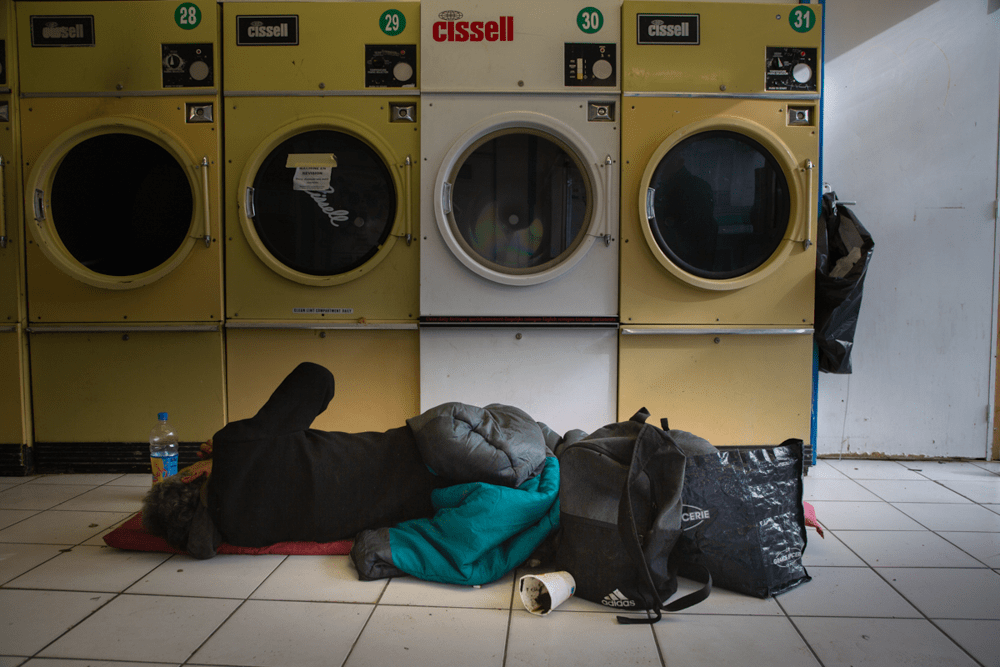
130×210
Project selected at the Visa pour l’image 2022 festival by the National Association of Iconographers (ANI)
130 x 210 cm is the size of a basic tent, like those given to the homeless by associations. This series shows the situation of people who live in the streets of Paris through their habitats. They are men and women, immigrants and French.
The idea of this series was born from a photographic register between 2021 and 2022, after the beginning of the Covid-19 pandemic, where the number of homeless people increased to reach 300,000 in France. These are people who will be erased by history, they are ghosts of society; proof: the way they were forgotten during the pandemic, closing them the places where to warm up, shower, or do their needs.
Making a register to document what is happening makes it possible to sensitize the eyes that look and also gives rise to reflection: No one escapes from oneself, consciousness is there, the body is there. We all have a value, an importance; a space and a time: two categories that serve to explain any reality.
These photographs speak of precariousness in all its senses, but also of resilience and physical space in itself.



The world after
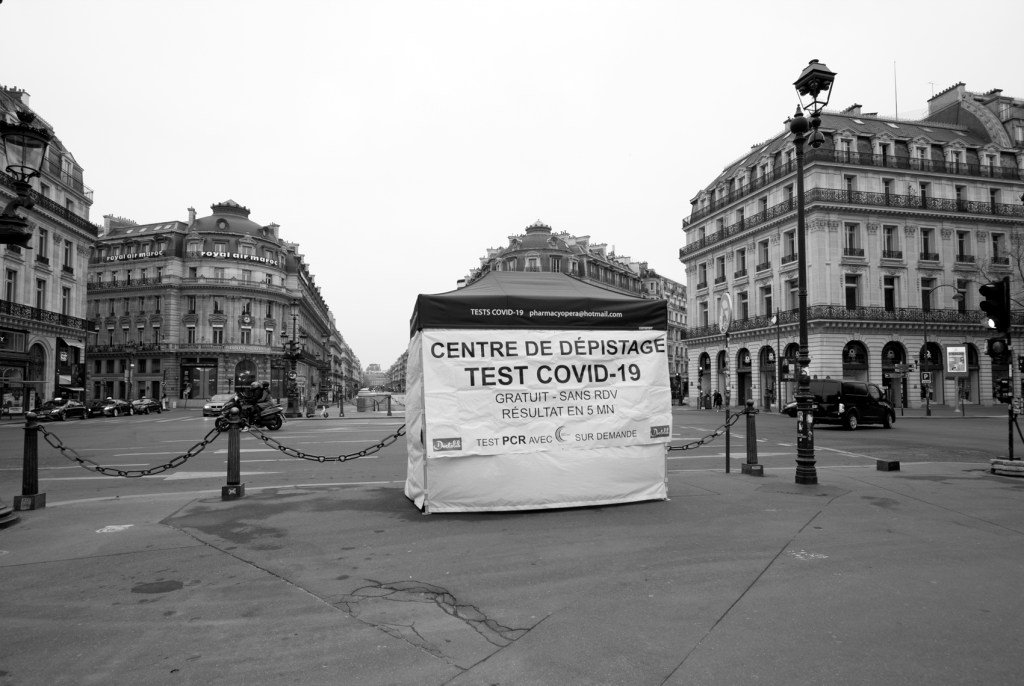
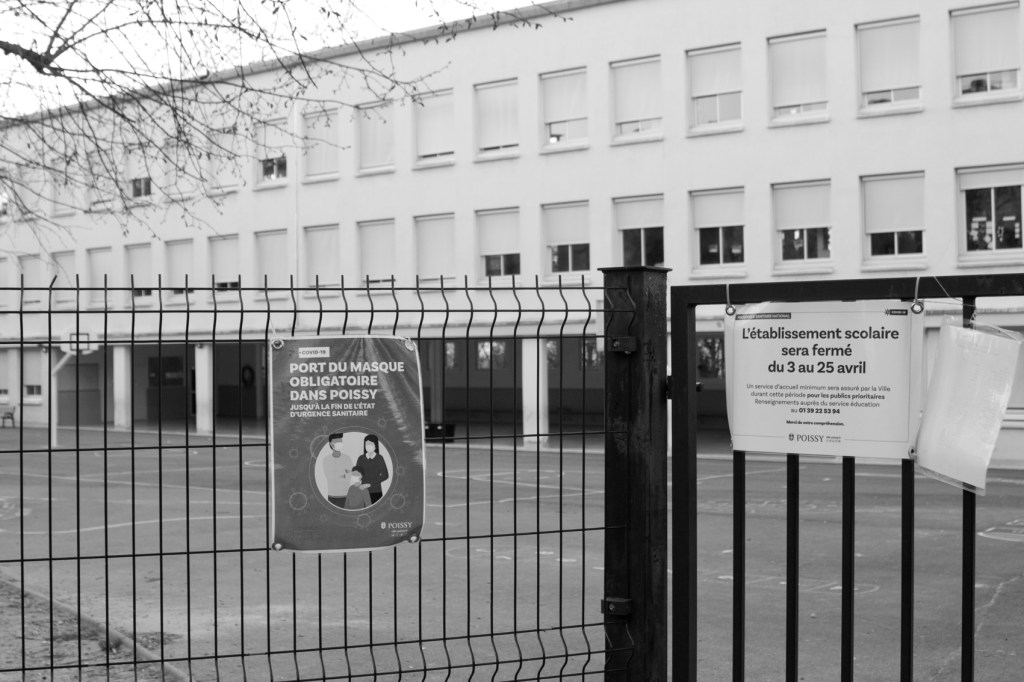
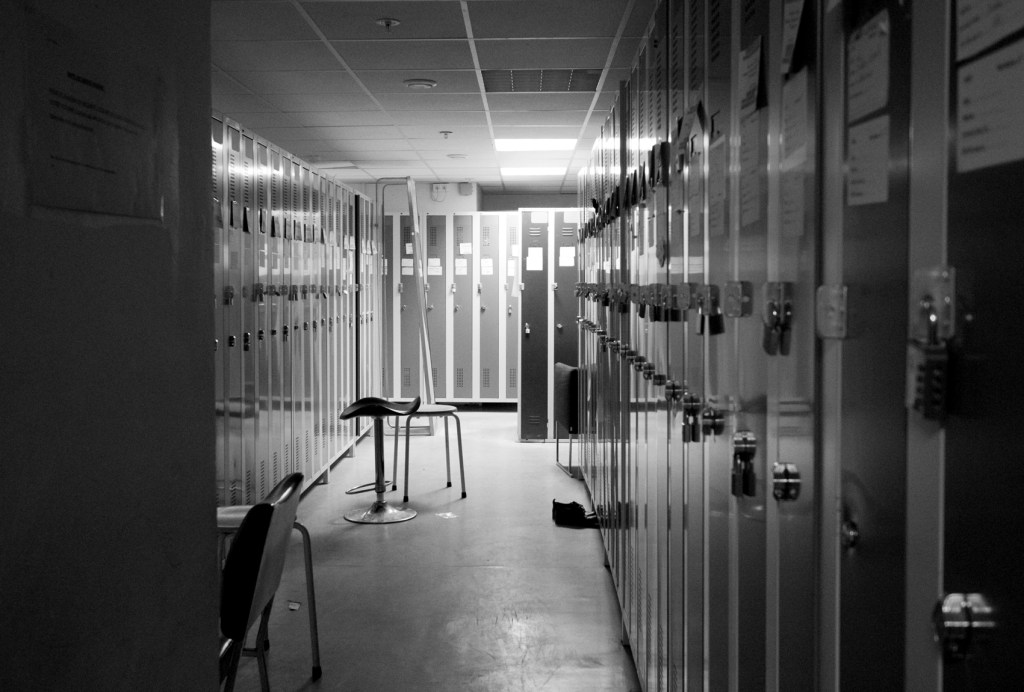
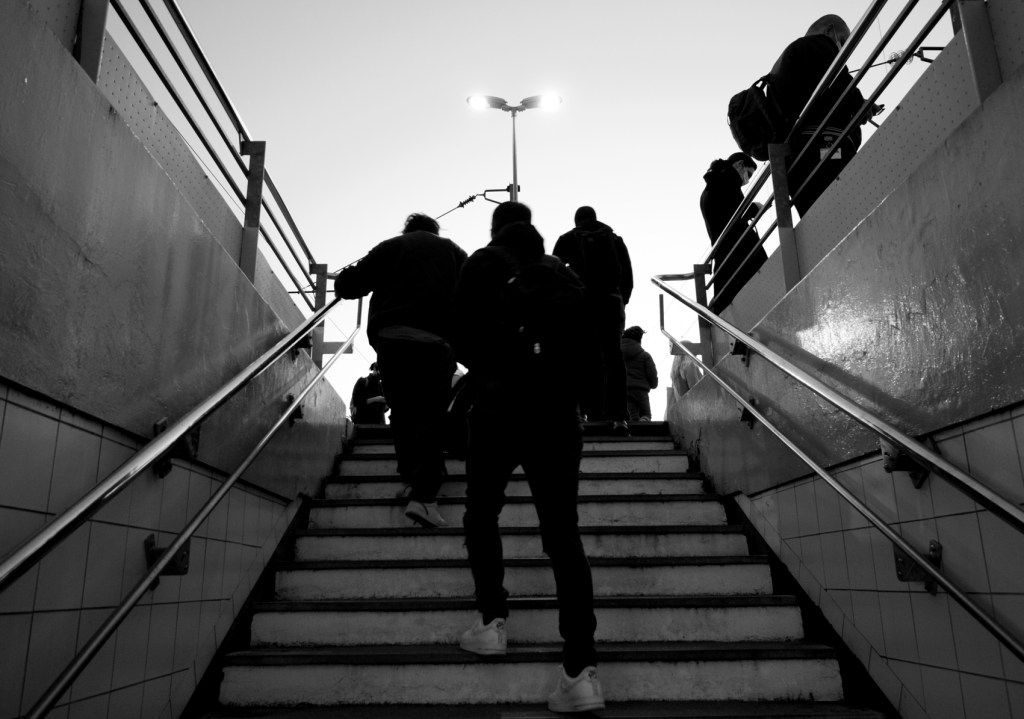
During the health crisis that began in 2020, between lockdowns, the city of Paris was dressed in solitude and emptiness. We were co-existing with a pandemic that changed the course of our lives: A large portion of the restaurateurs were trying to stay afloat with the only life buoy on the take-away. At the beginning of April 2021, it was decided to close schools, colleges and high schools for three weeks. Pupils had to work at home and «catch up after», the president of the republic announced. With regard to unnecessary businesses, they have suffered closures, having to work closed doors, distance selling, teleworking and short-time work, at best. Taxis have seen a huge loss of tourism which has resulted in a reduction of the races to be done, meeting a decrease in activity ranging from 50% to 60%. Despite government restrictions, public transportation at peak times did not meet the minimum distance.





Consequence of the 2008 Spanish economic crisis
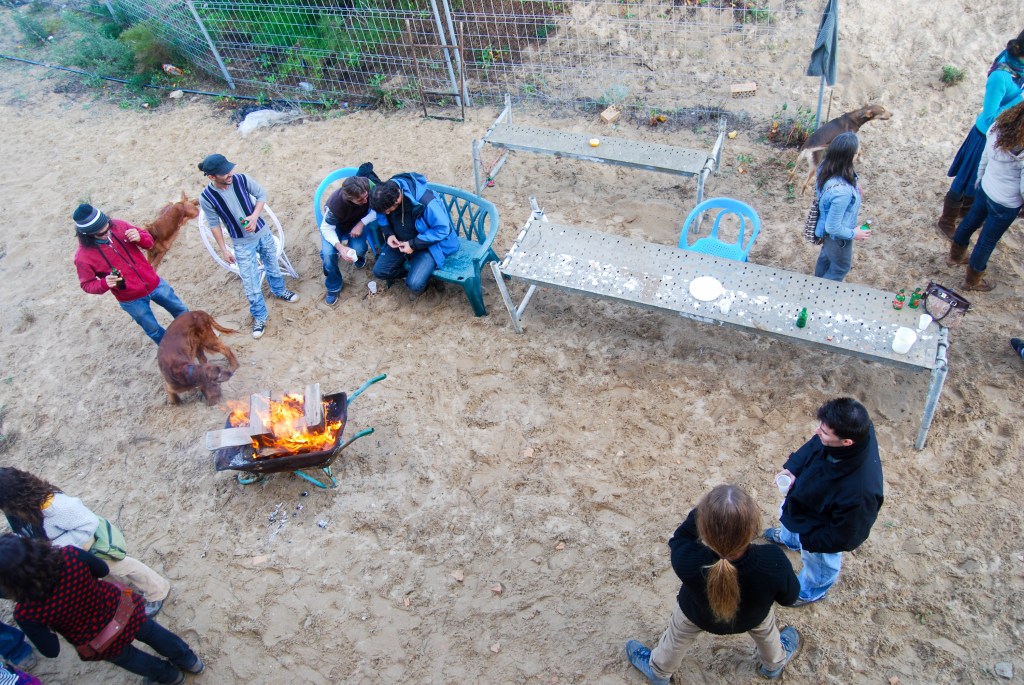
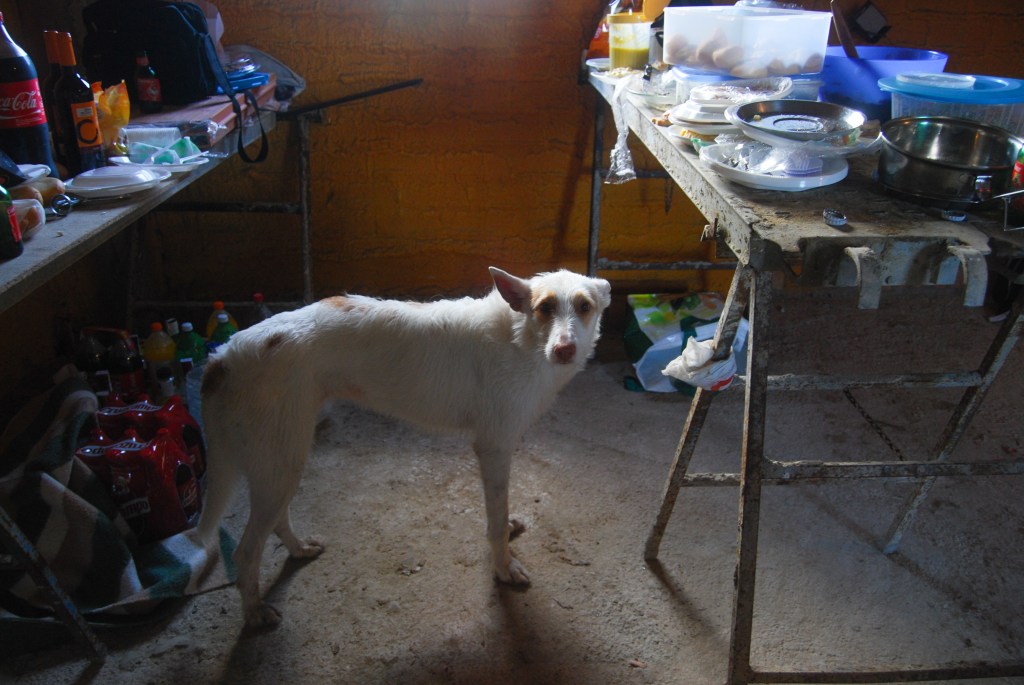
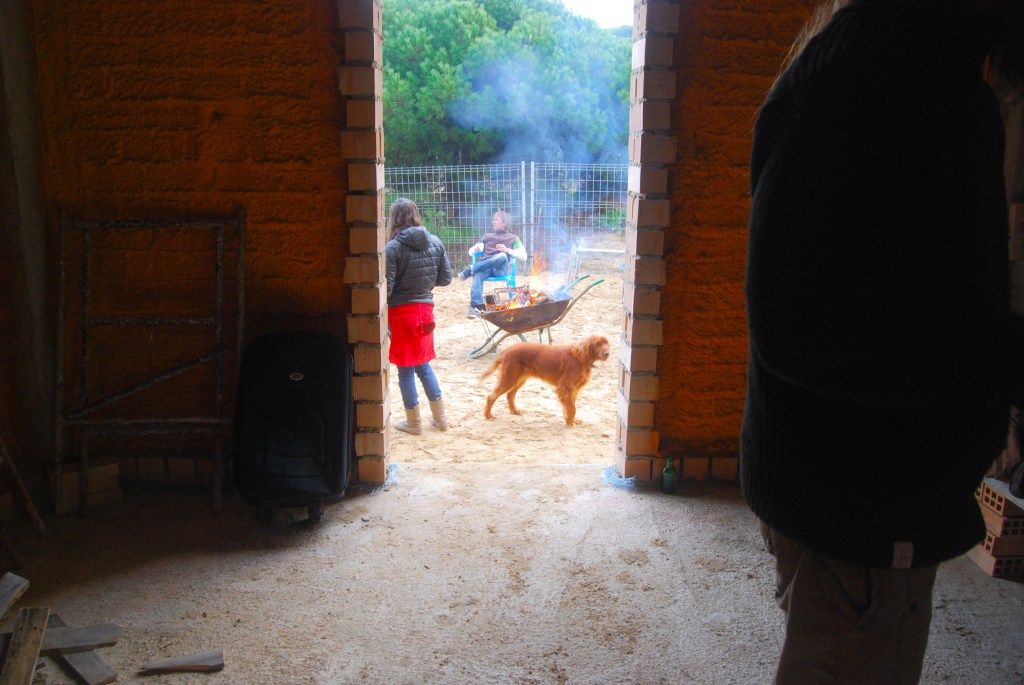
Matalascañas, Andalusia, Spain. 2013. A group of squatters live in a set of buildings abandoned by developers. They lost their jobs due to the 2008 economic crisis.
 Maria Perianez